How I Built Nakikiramay PH from Zero: The Real Story Behind a Local Ecommerce Brand
I built Nakikiramay PH — a grief journal brand — from ₱75K and 100 copies to ₱5M in sales. Here's the real story of how to start an ecommerce business in the Philippines.
ECOMMERCE
AJ De Guzman
5/8/202414 min read
It was past 2AM when I finally launched my Facebook ads. I was sitting in my bedroom in my parents' house, running a business nobody knew about yet, selling a product I had spent an entire year making.
I stared at the screen for a few minutes, then closed my laptop and went to sleep.
I woke up to my first sale.
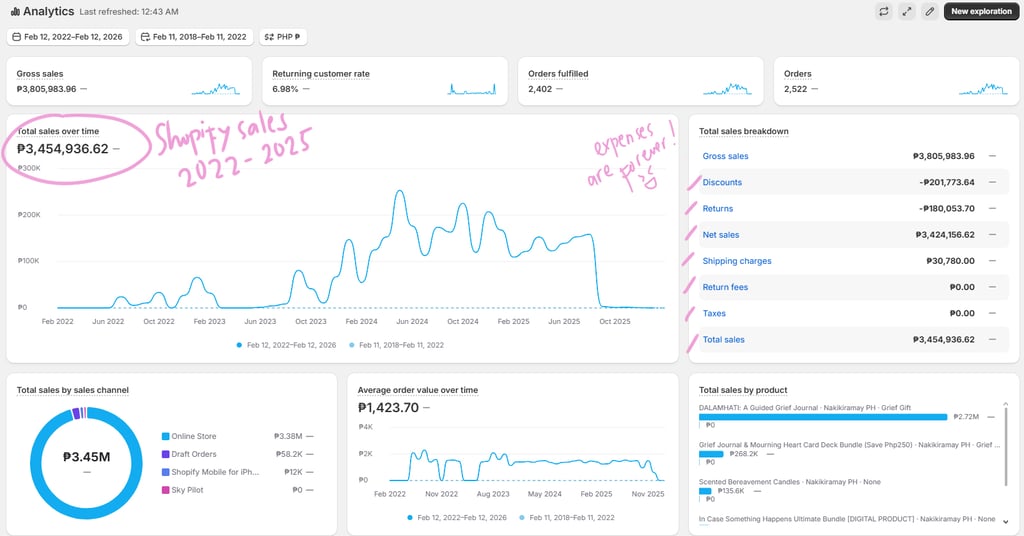
That was July 2022. By July 2025 — exactly three years later, almost to the day — Nakikiramay PH had generated over ₱5 million in sales. One hero product. Built after work, managed with one assistant, and started with a question I typed into Google at 2AM the year before:
how do I support someone who is grieving?
This is the full story of how I figured out how to start an ecommerce business in the Philippines — what worked, what I wasted money on, and what I'd do differently.
I'm writing this just in case someone out there (maybe you!) needs to hear these words:
You can do whatever you want, but you have to be willing to learn and evolve like your success depends on it, because it does!
Three Years Later: ₱5 Million in Sales & Hiatus
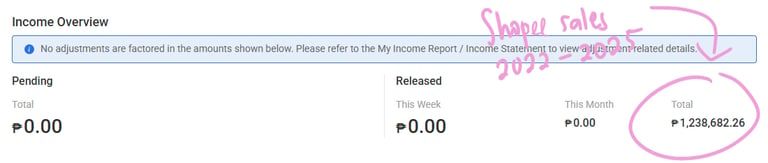
From July 2022 to July 2025, Nakikiramay PH generated over ₱5 million in sales!
I want to sit with that number for a second, because when I was printing 100 copies in 2022 and wondering if anyone would buy a grief journal from a brand they'd never heard of, ₱5 million was not a number I let myself imagine.
What I want you to take from this is that the foundation of those ₱5 million in sales was never a big team, a huge ad budget, or any special advantage.
It was a product that addressed a real pain, sold to people who genuinely needed it, built by someone who figured things out one expensive mistake at a time.
That's the most honest version of this story I can give you.
Part 3: Launching, But Don't Be Like Me!
July 2022. After a year of building, I got impatient. I wanted to sell!
My launching game was literally just Meta ads. No pre-launch hype, no email list, no community warmed up and waiting.
I hadn't grown my Instagram or Facebook page while I was creating the product or waiting for the prints. I hadn't collected a single email address. I hadn't built any anticipation at all.
I just... launched. 🙃
I later learned that this isn't the ideal way of doing things.
If you can, build hype! Build a following of the people you want to help, let them know what you're trying to do, and make them as excited as you!
Don't be like me. I had an entire year while writing and designing the journal to build an audience.
I could have been sharing the process on social media, talking about grief, growing a page of people who already believed in what I was doing before the product even existed.
Instead, I went straight to paid ads and started spending money from day one.
The ads did work though! I'll give them that.

How to Start an Ecommerce Business in the Philippines — What I Wish I Knew
With a few years of hindsight, here's what I know now that I wish I'd known in 2021:
#1: Validate before you build.
Join the communities where your potential customers already are. Read what they're asking, what they're struggling with. Research the evidence behind your idea.
Build something the market is already asking for, not just something you think is a good idea.
#2: Hire a professional for super important things!
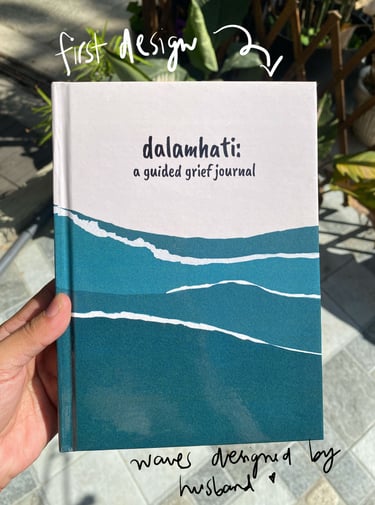
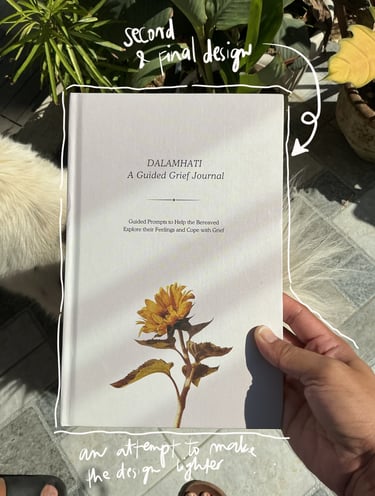
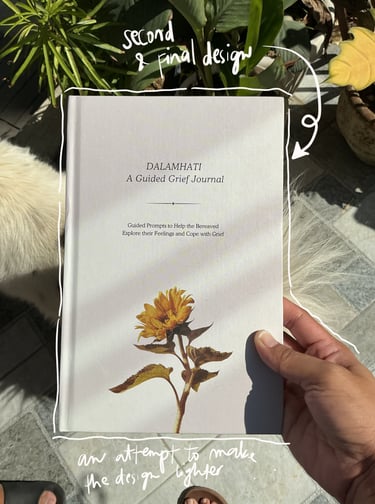
If I hired a graphic designer or layout artist to design the journal for me, I would have been able to launch faster and earn sooner!
Hire someone to do the important tasks you just can't do or taking too long to DIY.
Ang tagal mo na nga gawin, hindi pa ganun kaganda. Diba doesn't make sense??
#3. Canvass your suppliers before you produce anything.
Please please please. Don't be like me. Talk to at least 5 suppliers. Get quotes, ask for samples, understand the per-unit cost at different quantities.
Don't look at the price lang din. How fast do they respond to your messages? Do they have testimonials from previous customers? Do they really exist? Are they not scamming you and ruining your life???
The difference between a good supplier and a bad one can be hundreds of pesos per unit, and that margin is everything when you're just starting.
#4: Price for your real costs, not just your printing cost.
₱1,499 felt scary to charge. But when I look back, I wasn't pricing for profit. I was pricing for survival.
Learn your COGS (cost of goods sold) properly, including packaging, shipping, platform fees, and ad spend, before you set your price.
#3: YOU DON'T NEED A WEBSITE OR SHOPEE AGAD!
I'm ashamed to admit but I spent ₱8,000 on a Shopify theme that I replaced anyway!
As for Shopee, the seller fees are now stupidly high you'll need a huge markup to make any profit.
Here's what I realized: When you're starting, Messenger is enough.
You can run Meta ads and directly lead prospects to message you. You close the sale in chat, pack their orders, and send shipping updates also via Messenger. That's all you really need when starting!
Then eventually kapag kumita ka na, you can hire someone to do your website.
#4: Learn how to run Meta ads before you hire someone to do it for you.
Meta ads saved my life. Without it, I wouldn't have made a single sale that first month because of my non-existent marketing skills back then!
At first, I did it myself kasi mahal rin ang fee ng ad strategists (but they're worth it!!)
Nung una I was just relying on free lessons by Coach Jungie, but as it got more difficult to become profitable sa ads, I took his course.
It's called AdsLevelUp.
Learning to run my own ads the professional way gave me so much confidence na finally alam ko na ginagawa ko.
I did eventually hire an ads specialist, but because I know how ads work, I knew how to read the metrics, spot when something was off, and have an informed conversation about performance.
You don't have to become an ads expert, but you at least learn the basics first!
#5: Be ready for BIR and DTI registration eventually.
I didn't register my business agad because in my mind, I was testing the waters pa lang.
Eventually though, I had to register it because it was growing na.
I registered the business when I wanted to partner with bigger companies like cemetery parks and they needed BIR-registered sales invoice.
It also came in handy when I tried to enter a consignment deal with Fully Booked, and I was qualified because the business was BIR-registered.
So here's my point: registering your business is not absolutely necessary when you're just starting out and testing the waters, but sooner or later, as it grows and you want bigger opportunities, you'll need to register it.
Part 1: Finding a Problem Worth Solving
Let me back up.
In 2021, my fiancé lost his mom.
I didn't know how to be there for him — not in a vague, uncertain way, but in a genuinely lost, searching-at-2am-on-Google kind of way.
I typed things like "how to support a grieving partner" and fell into a rabbit hole that eventually led me to one insight: journaling is one of the most powerful tools for processing grief.
That should have been the end of the story. Find journal, buy journal, give to fiancé.
Except there were no grief journals in the Philippines. At least none that I could find.
But I didn't just take my own experience as proof enough.
Before I committed to building anything, I did my research properly.
I joined grief support groups on Facebook and read through hundreds of posts — what people were feeling, what they were asking for, what kind of support they said was missing.
I read Reddit threads. I went through Quora questions and answers from people processing loss.
I researched the existing body of literature on grief — the frameworks, the psychology, the evidence behind different coping approaches.
I was looking for two things: confirmation that the problem was real and widespread, and evidence that journaling as a solution was actually backed by something more than a lifestyle blog recommendation.
I found both.
This step — the unglamorous, hours-long research phase before a single product exists — is the one most people skip.
They have an idea, they feel excited, and they start building. But validating that your problem is real and that your solution is grounded in evidence is what separates a product people actually need from one you just think they need.
For me, the research didn't just confirm the idea. It shaped the entire product.
When I told my fiancé about it, he didn't hesitate.
He said it was incredibly thoughtful and meaningful, and then offered to shoulder half the printing cost. The man who had just lost his mom became one of the first believers in a grief journal I was building partly for him.
I think about that a lot.
I named the brand Nakikiramay PH because I wanted it to be unmistakable at first glance.
Nakikiramay is what Filipinos say when offering condolences.
It literally means "I grieve with you."
A grief brand for Filipinos, named in Filipino, built around the way we actually show up for each other in loss.
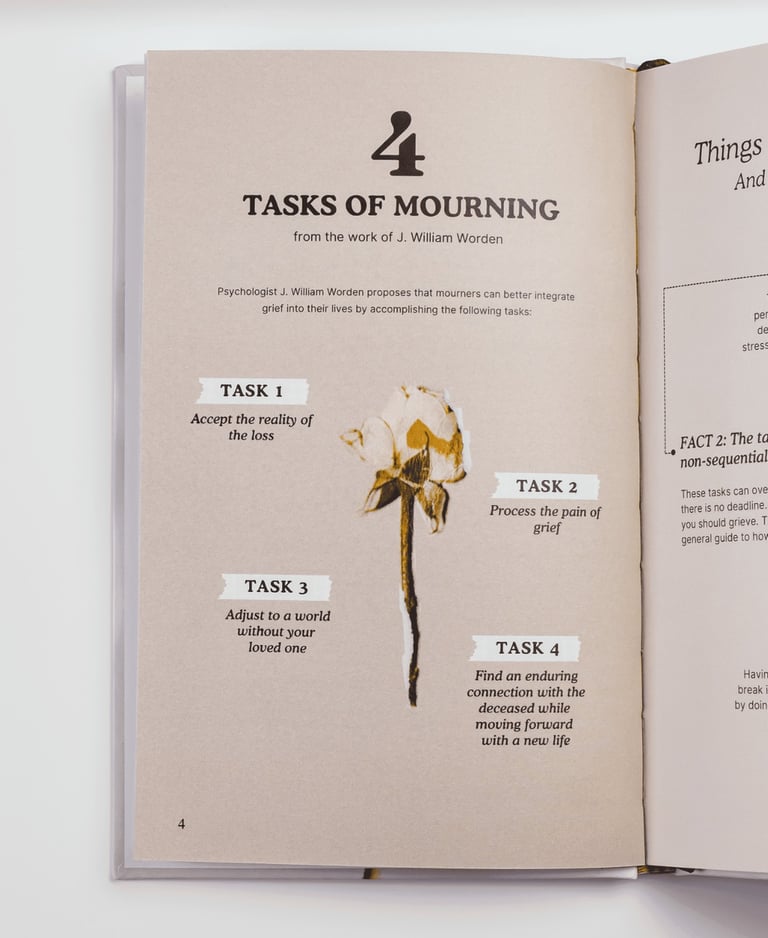
And after each mini topic, prompts. Questions like: "What is the biggest emotion you feel when you remember your departed loved one?"
I wanted the journal to do more than ask questions. I wanted it to teach gently, then invite reflection. A reader shouldn't need a therapist on hand to use it. The journal itself should be the guide.
The writing part I could handle. The layout, though? That's where things got difficult.
I did the layout in Canva, which, it turns out, printing suppliers do not love.
When I submitted my files, the supplier had issues with the format — the resolution, the bleed settings, the file type. It was a whole thing.
If I were doing it again, I'd use proper design software like Affinity Publisher from the start. It exports print-ready files correctly and would have saved me a lot of back-and-forth.
And, speaking of things I'd do differently — I wish I had just hired a layout artist.
I spent so much time on the design when I could have paid someone with the right skills and redirected my energy to the business side.
Gusto ko lang sana gawin lahat noon to save as much money as I could, but in hindsight, there are things worth spending on.
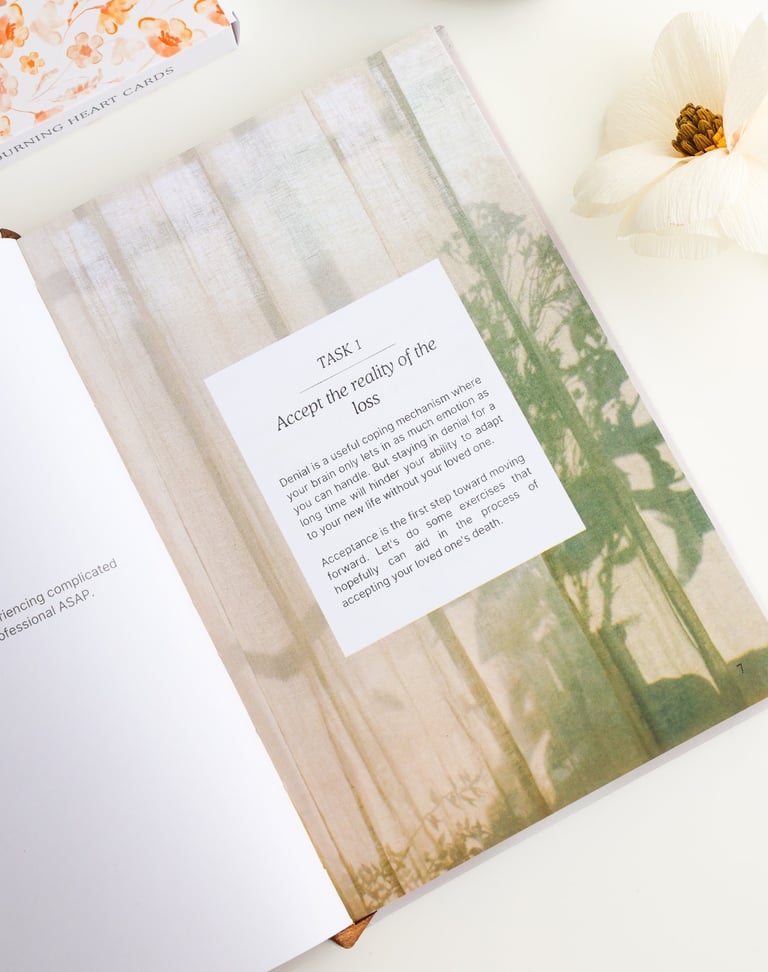
I launched around 2AM, went to sleep, and woke up to my first sale. I had spent around ₱150 to get it. Four, five orders a day started coming in.
All 100 copies sold out in one month.
But I also couldn't offer discount codes. I couldn't shoulder shipping fees.
Because the printing cost was so high, there was almost no margin to work with. Customers would ask, and I'd have to say no. That's a tough position when you're a brand-new store trying to build trust.
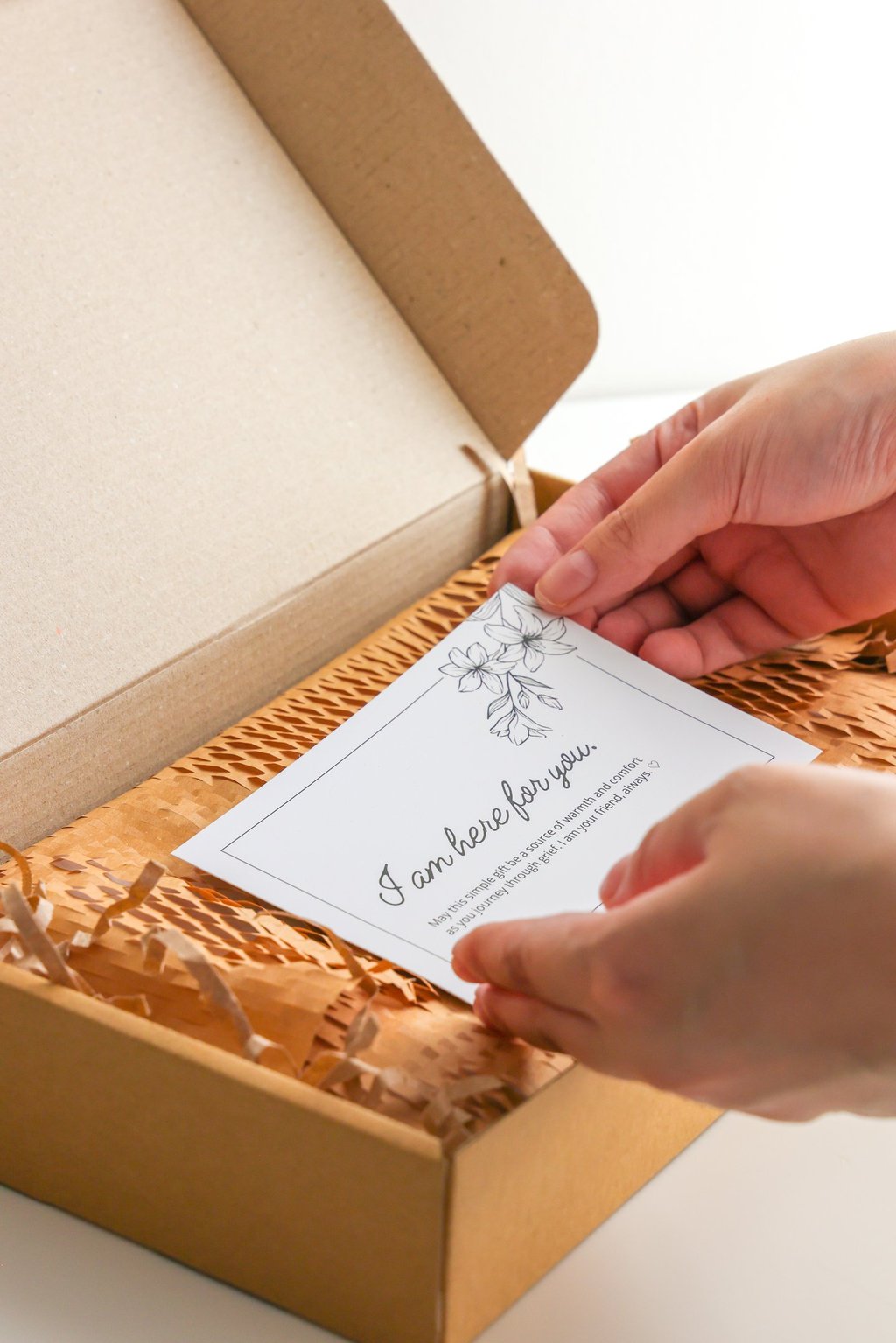
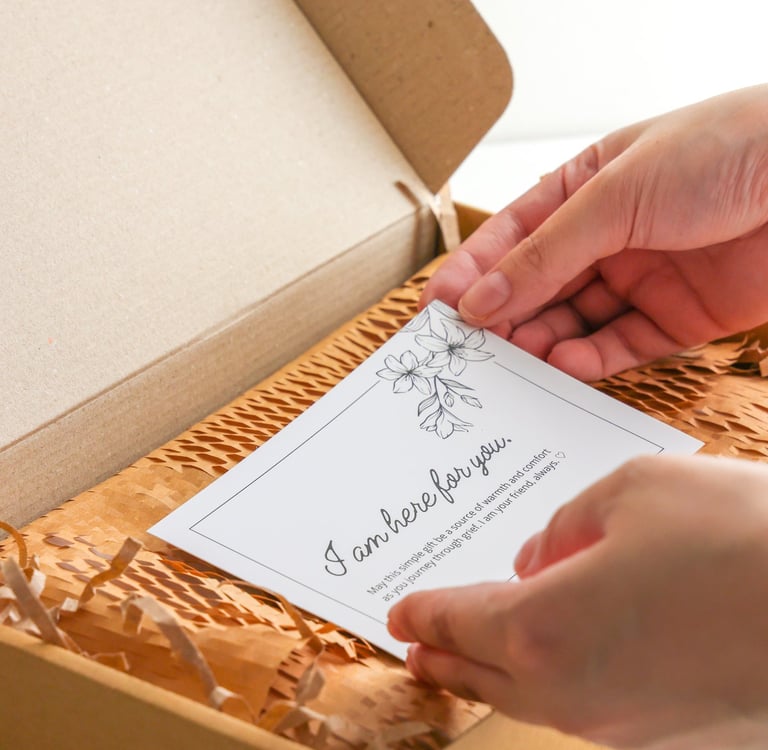
Here's what I'd tell anyone launching a physical product: use your creation period to build your audience.
Post about the process. Talk about the problem you're solving. Collect emails. By the time you launch, you should have a room full of people already waiting — not an empty room you're filling with ad spend from zero.
Why I'm Writing This Blog
Starting Nakikiramay PH on my own was lonely and confusing.
A million decisions to make. No one in my life to talk to about it.
Visit this blog when you're deep in the trenches and you're feeling alone in this journey.
This blog exists so you don't have to make my mistakes. But if you do make them, know that you're not alone.
If you're building an ecommerce business in the Philippines — whether you're still in the idea stage or already shipping orders — this is written for you.
I'll be sharing everything: the branding, the ads, the finances, the platforms, the mental load of doing this mostly solo.
Starting with the next post: how I built the Nakikiramay PH brand identity on a budget — the logo, the name strategy, and what I'd do differently.
Follow me in my Facebook page for updates on new posts!


AJ De Guzman
Chief Daydreamer & Yapper at Build with AJ
Owner, Nakikiramay PH
Thank you for reading! Did you like this piece? Yes or yes? Got questions or anything nice to say? Let me know in the comments!
Part 2: Creating the Product (The Hard Way)
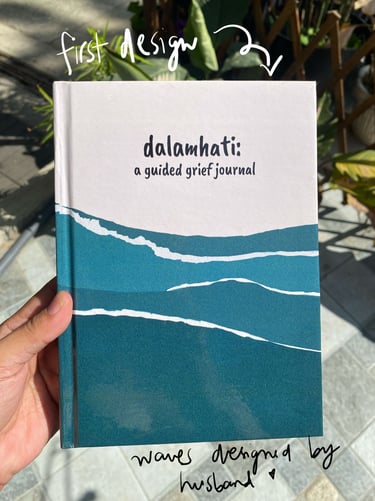
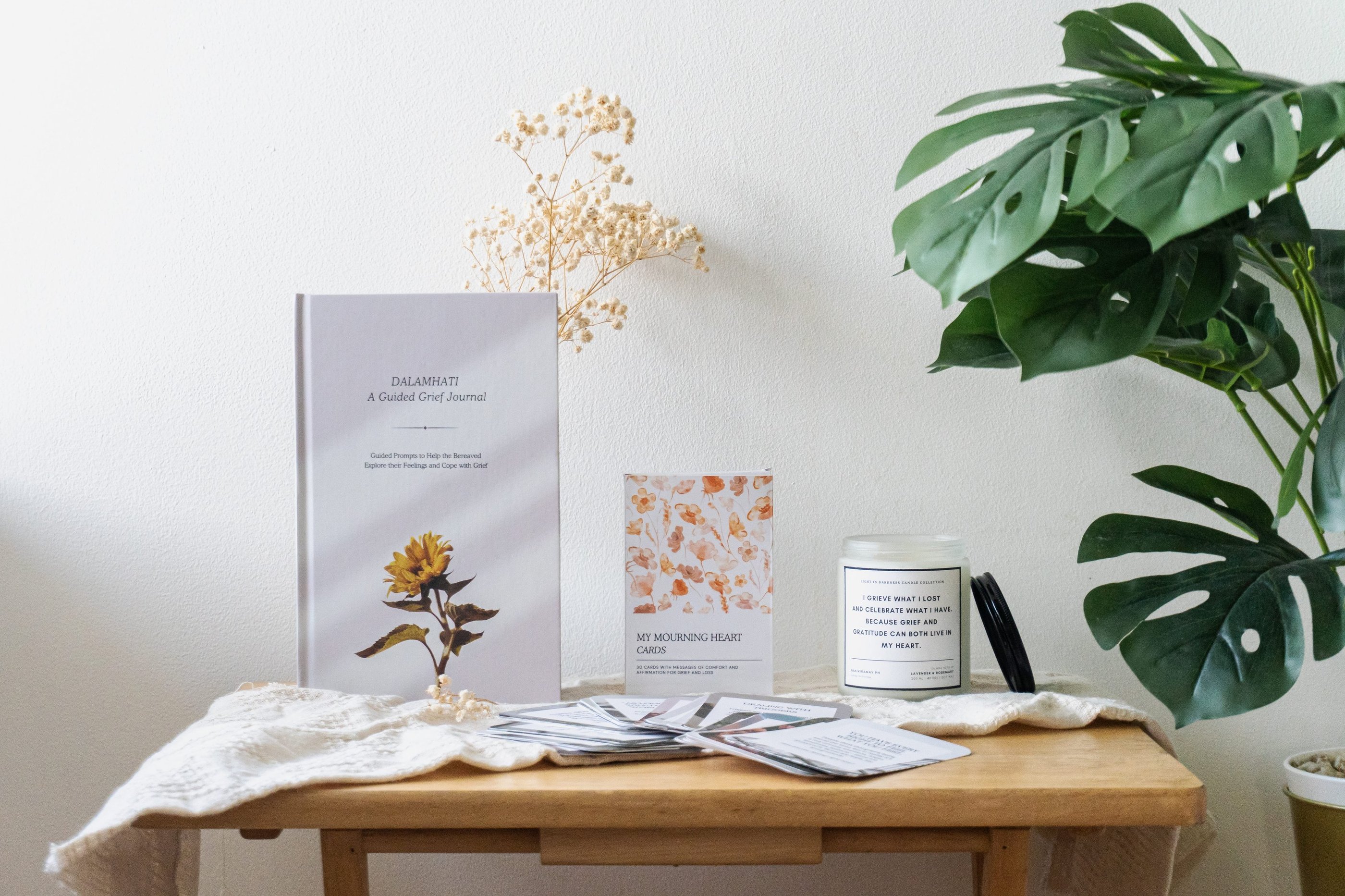
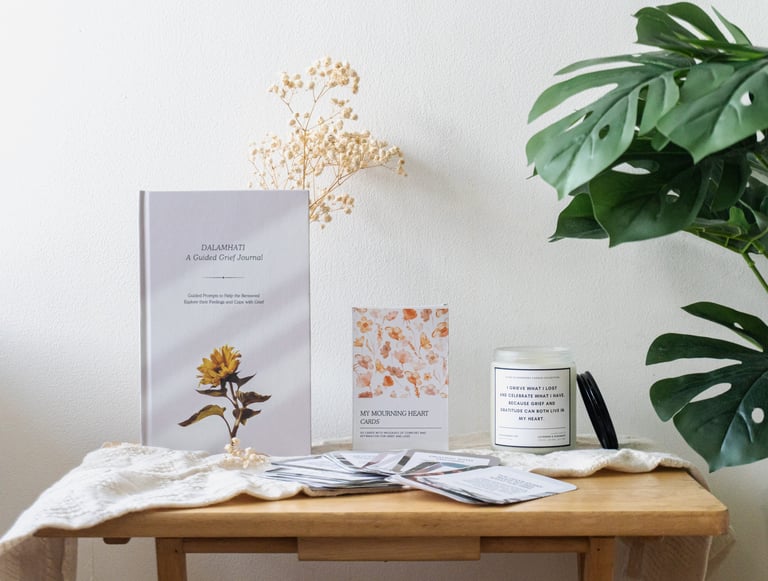
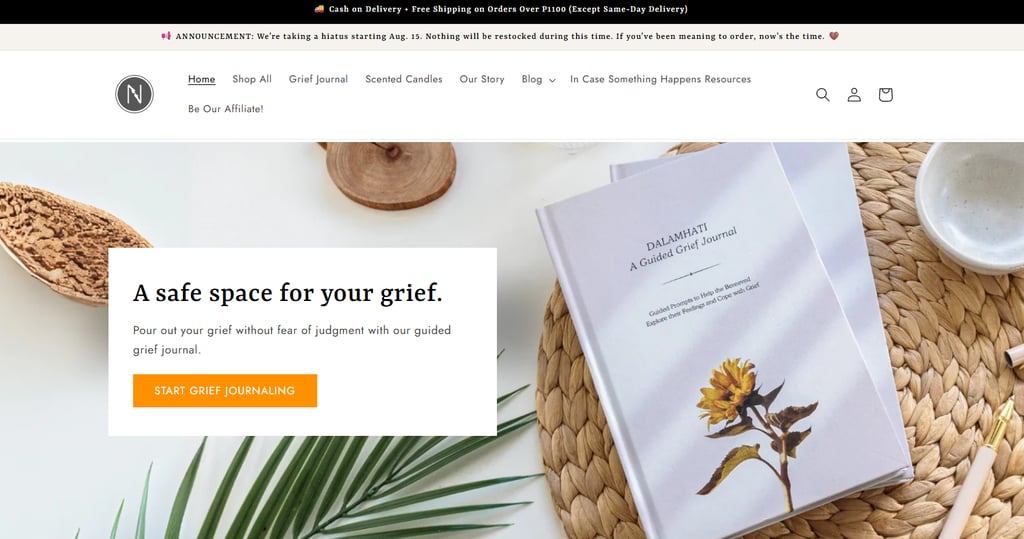
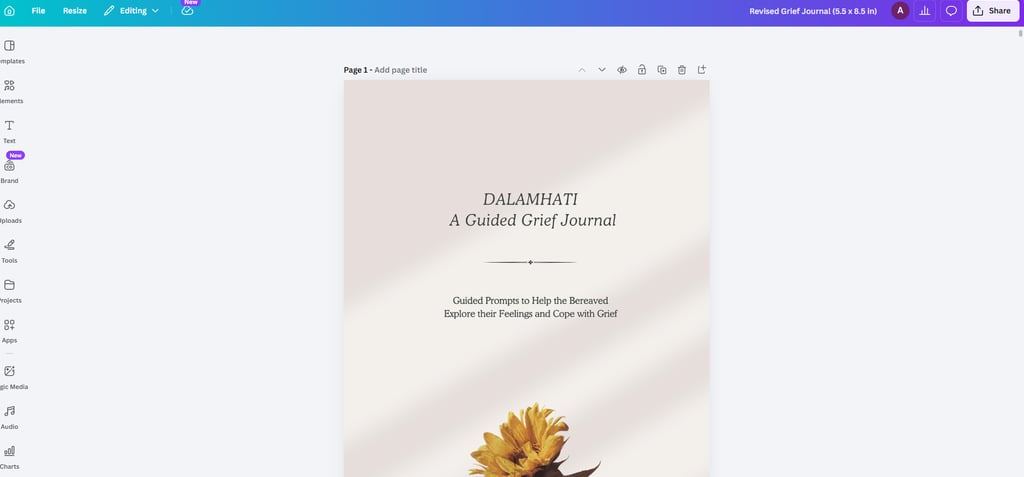
I spent all of 2021 writing and designing the Dalamhati: A Guided Grief Journal.
Writing it myself made sense to me. I'm a content writer by profession, and for the first time, I was finally using those skills for something of my own.
The journal follows the 4 Tasks of Mourning framework, a grief model I chose to structure the entire book around.
Each of the four tasks got its own chapter. Within each chapter, I wrote mini topics — the common emotions that come with loss, what self-love actually looks like when you're grieving, how to carry someone's memory without being consumed by it.
Then came the printing supplier situation!!
I had no idea you were supposed to canvass at least five suppliers before choosing one. I found one, got a quote, thought it seemed reasonable, and said yes. Noob mistake!!
It was only after everything was printed that I realized how overpriced it was.
I printed 100 copies for the first batch — kept small because I genuinely wasn't sure anyone would buy — and it cost me ₱75,000.
That's ₱750 per journal.
With printing costs that high, plus packaging and ad spend, I had no choice but to price each copy at ₱1,499 just to recover my investment.
I also had almost zero room for discounts or free shipping. More on that in a bit.
Part 4: Climbing the Steep Meta Ads Learning Curve
I knew running Meta ads campaigns is hard. But I didn't realize HOW HARD!!
After the first 100 copies sold out, I found a better printing supplier and kept scaling.
200 copies, then 500, then 1,000, then 3,000.
The business was growing.
But so was my dependence on ads, and my bad habits around them.
Here's what I was doing wrong: when an ad worked, I'd just let it run.
I wasn't testing different angles, different photos, different video creatives. In short, tinamad!
I was relying on the same winning ad until it died, then scrambling when performance dropped.
I was burning money without really understanding why things were working or not.
This went on until I enrolled in AdsLevelUp by Coach Jungie Gumiran.
That course is where I learned how professionals actually run ads — how to structure campaigns, how to test creatives systematically, how to read the metrics that matter and ignore the ones that don't.
It changed everything.
At our best, we hit a 7x ROAS — for every ₱1000 we spent on ads, we were generating ₱7000 in revenue.
That's what happens when you actually understand what you're doing.
But I want to be honest: even when the ads were performing well, it was exhausting.
Managing campaigns on top of a full-time job, on your own, with no one to hand things off to — it's genuinely draining. The ads knowledge was essential. The solo execution was unsustainable.
My advice: take the course before you spend serious money.
Take it before you hire someone, too, because if you don't understand ads yourself, you can't assess whether the person you hired actually knows what they're doing.
Part 5: Building a Team (Sort Of)
I didn't want my social media pages to look like a ghost town, so I posted for maybe like 2 weeks. I tried carousels, photos, reels, stories.
After those 2 weeks, I realized something: I hated doing social media! 🤧
Like, girrrllll, planning and designing and posting everything by yourself is exhausting!
So, drowning in my overthinking and sweat and tears, I hired my sister-in-law, Ate Meara.
It turned out to be one of the best decisions I made for the business.
She's a social media content creator, so she already had the skills. But more importantly — she has first-hand experience with grief. She understood the brand not just as a job, but as something meaningful.
That context shows in content, and our audience could feel it.
Many advise against hiring families, but I think it depends. If kilala mo yung family mo na professional no matter what, you can give it a try and see how it goes!
Ate Meara also took over customer inquiries.
Between our Meta ads and growing social presence, we were getting a constant stream of messages — people asking about the journal, about shipping, about whether it was right for their specific kind of loss.
I had set up automations to handle the most common questions, but for everything the bots couldn't answer, Ate Meara stepped in.
She also coordinated orders through chat, so customers could complete a purchase directly through Messenger without going to the website. That alone opened up a whole additional sales channel.
Part 6: Solving the Fulfillment Problem
Running a growing ecommerce store in the Philippines while holding down a full-time job means you don't sleep that much, and when you do, you get nightmares about the orders you still haven't packed!
I asked Ate Meara for help for a while, but I could see it was too much on top of everything else she was doing.
I needed a fulfillment partner.
Thankfully, I found Rackit, a fulfillment center based in Parañaque City (same area as me at the time).
The owner, Ali Javed, was professional, easy to work with, and genuinely accommodating.
The main selling point, though, was the affordable cost! They charged around ₱50 per parcel, which was the lowest rate among all the fulfillment center I tried.
They handled all our orders with no fail! This included same-day deliveries, with a 2PM cutoff.
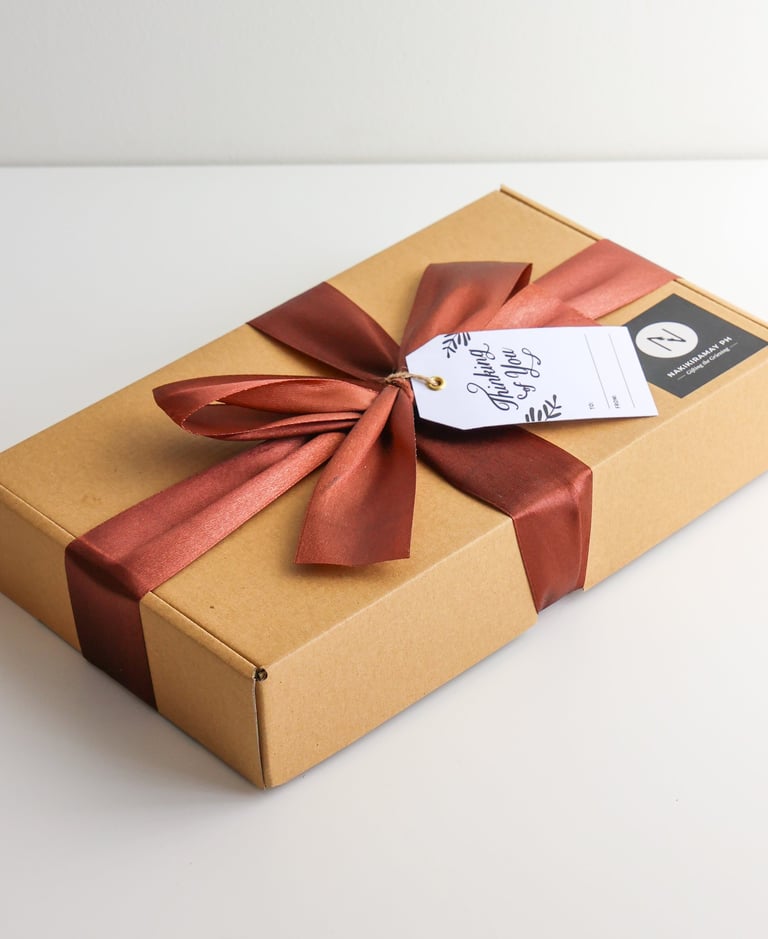
Ali even accommodated custom printed cards for certain customers and, this mattered more than it sounds, they could tie our ribbon correctly!!!
Our system worked like this:
We had a Shopify and Shopee store.
Ali used BigSeller to consolidate inventory from both platforms so stock levels stayed synced at all times. No shuffling between two platforms manually, no missed orders.
When orders come in, Ali and his team can see it from their end. Then they'll pack and ship it out!
If you're getting to the point where fulfillment is becoming the bottleneck, a fulfillment center like Rackit is absolutely worth exploring.
You can also build your in-house fulfillment team. It's up to you!
When your business is growing, it's easy to be trapped running it instead of actually growing it.
When that time comes, that's a good problem!
The solution?
Get help, and build sustainable systems!
Your "Why" Will Carry You Through Tough Times
Many businesses close after a few months pa lang because of a mix of factors. I personally put the brand on hiatus since August 2025 because I wanted to reassess where my life is going.
Mahirap talaga mag-business lalo if you don't know the deeper reason why you're doing this.
If pera lang, honestly sometimes you're better off holding a full-time job kasi mas stable yun.
So why do you want to start a business ba? What's the deeper purpose that can tide you over difficult seasons?
Ako this was mine:
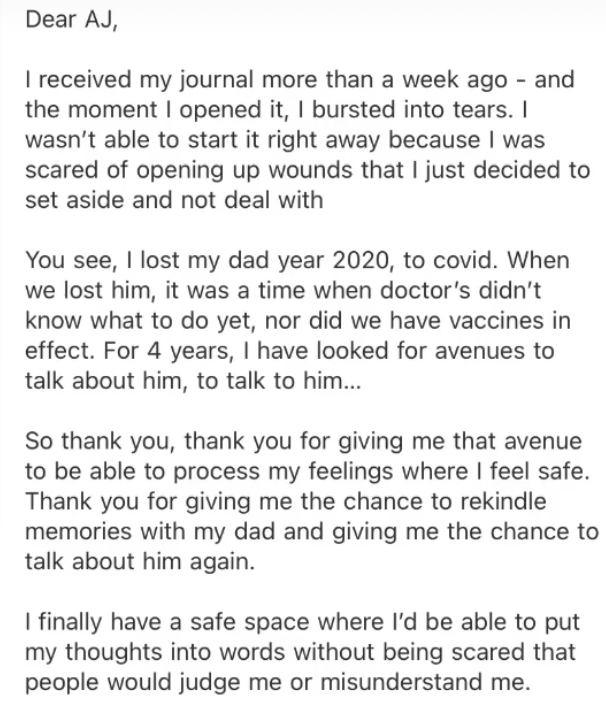
I just wanted to make the bereaved feel less lonely because they know there's someone in a small corner of the internet who thinks grief is important enough that she built an entire brand around it.
Messages like this helped me push through slow seasons.
If pera lang talaga, running Nakikiramay PH for 3 years wouldn't have made sense because madalas mas malaki pa kinikita ko as a freelance copywriter than from what I earn from NPH!
Minsan nga wala akong sinesweldo.
But the purpose of the brand kept me going.
Ikaw, what is your WHY?
How do you want your brand to positively impact the lives of other people, not just you?
🐶Furmom to Willieboy & Yukigirl 🪴Plantmom 👩❤️👨 Wife to a handsome husband (no you can't see his pic)